April 15, 2026
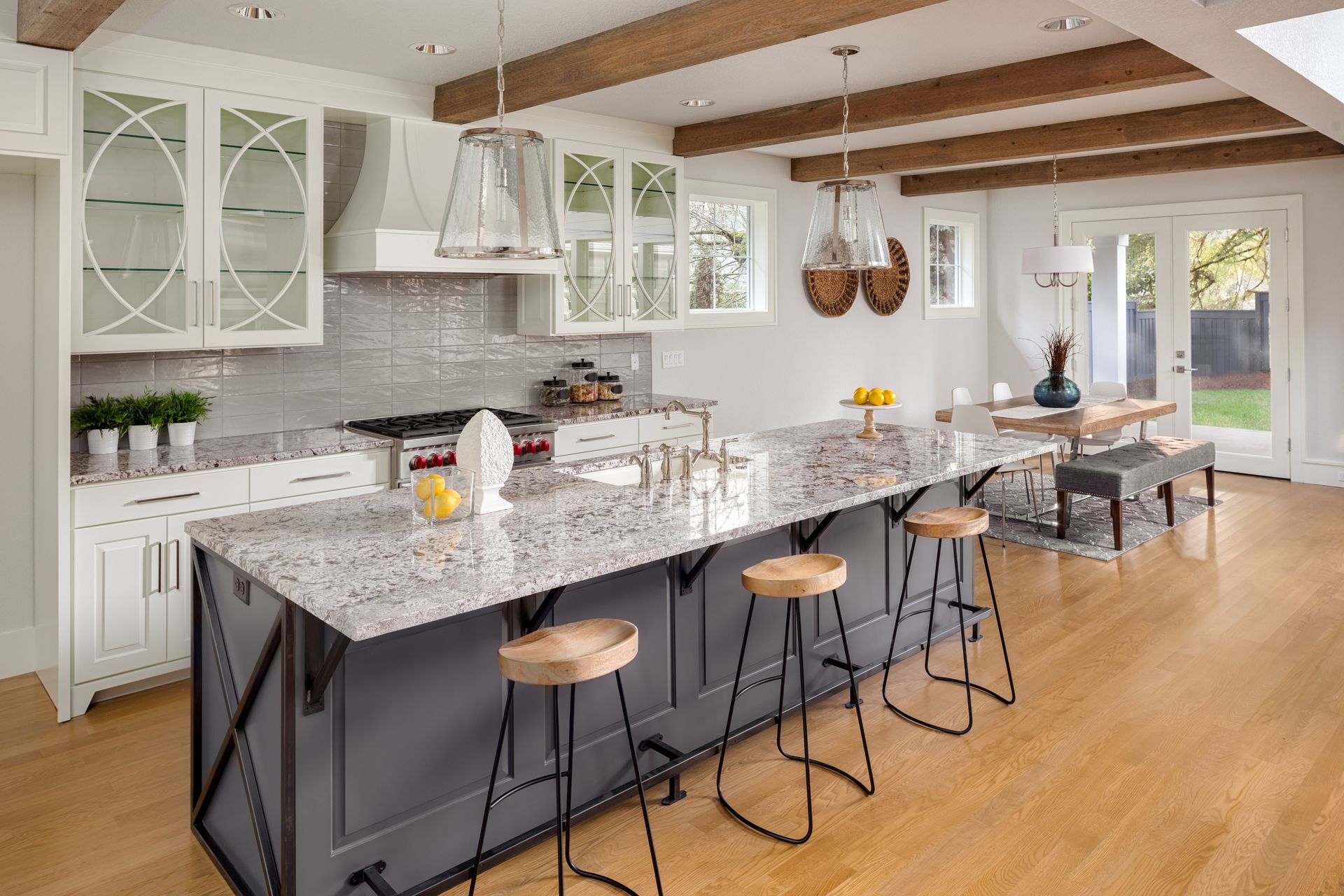
Granite countertops have become a hallmark of quality in modern kitchens for many homeowners. They are celebrated for their durability, aesthetic appeal, and functionality. These countertops not only serve a practical purpose but also add a touch of elegance and style. Understanding what makes granite such a sought-after material requires diving into its geological origins, unique characteristics, and long-standing reputation. Through this exploration, we gain insight into why granite remains a favored choice for countertops across homes worldwide.
Exploring the Geological Origins of Granite
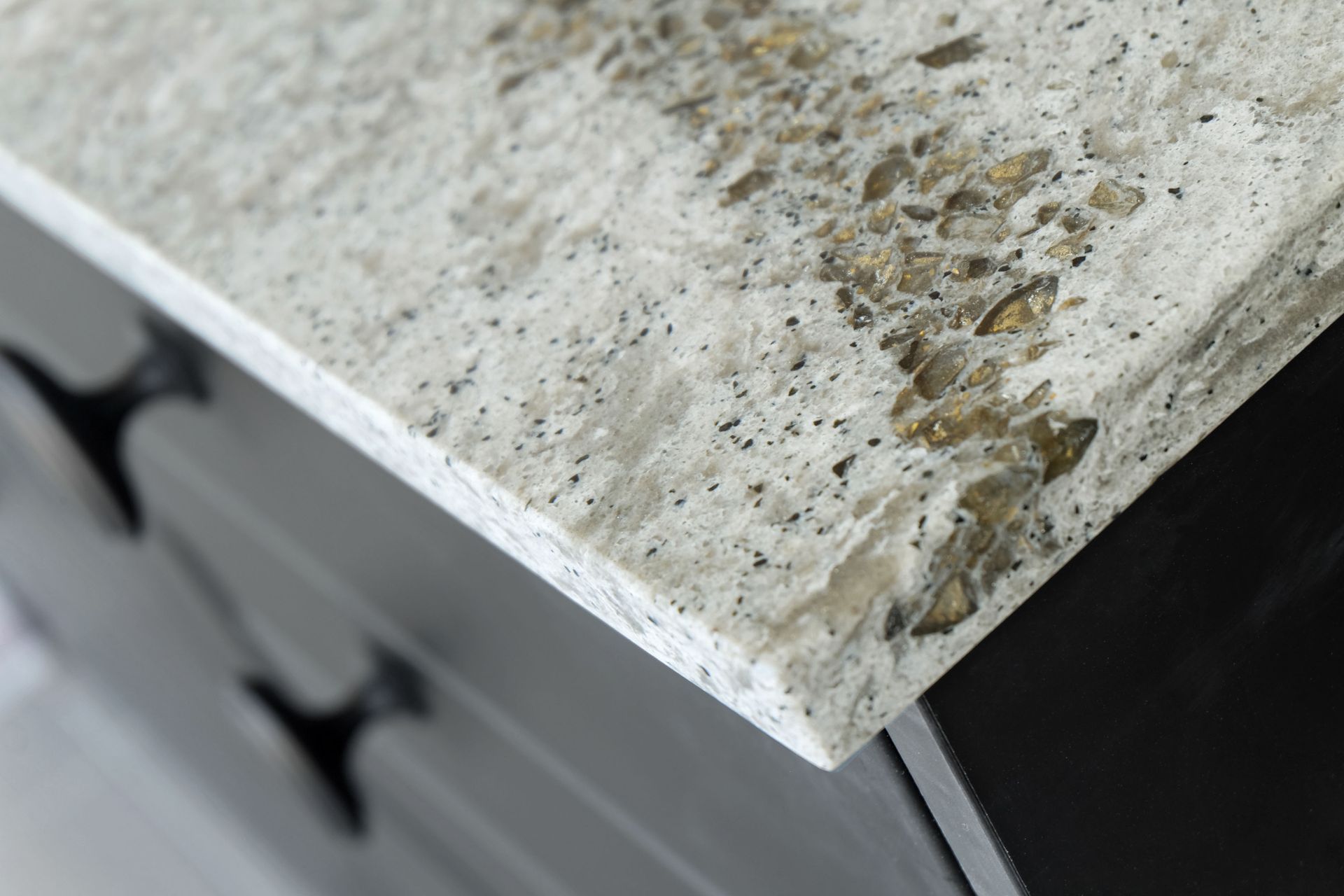
Granite is an igneous rock, primarily composed of quartz, feldspar, and mica, that forms deep within the Earth's crust. This coarse-grained rock is created as magma cools slowly beneath the Earth's surface, allowing large crystals to develop. The unique formation process imbues granite with an array of mineral patterns, contributing to its natural beauty and appeal. Its composition makes it one of the hardest natural stones available, a feature that adds to its widespread use in construction. Each granite slab is distinct, with a unique combination of minerals that sets it apart from other stones.
The geological history of granite is complex, involving tectonic movements and transformations over millions of years. Its crystalline structure can vary, resulting in different patterns and textures, ranging from uniform speckles to flowing veins. The diversity of granite types adds aesthetic options for homeowners seeking a specific look. Granite's durability also originates from its formation processes, which make it denser and more resilient compared to other stones. These characteristics ensure that a granite countertop remains a long-term investment.
Extracting Granite From the Earth
The extraction of granite is a meticulous process that begins at the quarry where deposits are identified and assessed. Large blocks are separated from the quarry face using various techniques, such as drilling or cutting with advanced diamond-wire saws. Once the blocks are cut, they are transported to processing facilities where they are further refined into slabs. These slabs are polished and finished to highlight the stone's natural colors, preparing them for use in residential and commercial applications.
Modern advancements in extraction and processing have allowed for more precise and environmentally friendly methods. Using state-of-the-art equipment, manufacturers can now cut stone with minimal wastage. These improvements ensure granite can be provided efficiently while maintaining its natural beauty and structural integrity. This meticulous process ensures homeowners receive a high-quality material that performs exceptionally well in everyday use. Understanding the entire process from quarry to kitchen highlights the efforts to provide an enduring and natural product.
Appreciating Natural Variability
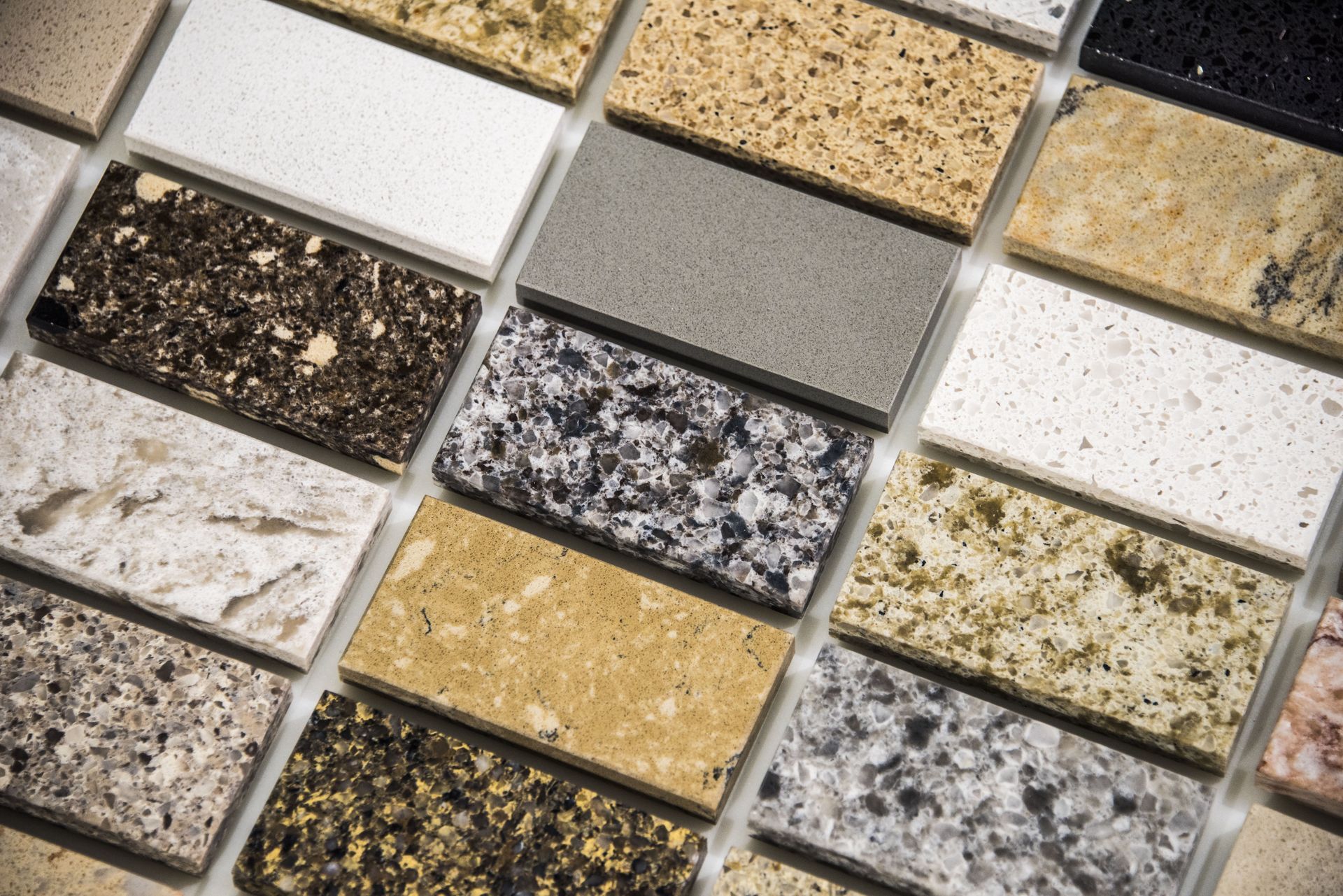
Each slab of granite is uniquely beautiful due to the natural variability inherent in this stone. The mineral composition gives rise to diverse patterns, hues, and textures that can transform the look of a kitchen or bathroom. This variety allows for a high degree of personalization, enabling homeowners to select surfaces that perfectly complement their style. Variability also means no two installations are identical, adding an element of exclusivity. This natural uniqueness is a significant selling point for those looking to create a distinctive home environment.
The variability is influenced by factors such as the mineral content and the geochemical environment of its genesis. For instance, high quartz content results in lighter colored granite, while more mica can produce darker tones. This spectrum of possibilities ensures that granite can fit into a range of design schemes, from classic to contemporary. The inherent diversity reduces the monotony sometimes associated with synthetic materials. It is this unpredictability and range that position granite as a preferred choice for those who appreciate natural stone.
Influencing Durability Through Origins
The durability of granite is a direct result of its geological origins, with its formation process making it one of the hardest known stones. Its dense crystalline structure contributes to its resistance to scratches, wear, and chipping. Unlike softer materials, granite's natural properties enable it to withstand daily use and remain in pristine condition for years. This resilience is a key reason why granite is favored in areas of the home that experience heavy traffic, such as kitchens and bathrooms.
The intrinsic strength of granite allows it to maintain integrity even under extreme conditions. Homeowners can confidently place hot pots and pans on the surface without fear of damage, a feature not all materials can claim. This heat resistance is another facet of granite's origins that contributes to its durability. Granite's resistance to various chemicals and weathering also ensures its longevity in multiple environments. Such robustness is crucial for those seeking to invest in surfaces that will sustain lifestyle demands without compromise.
Comparing Granite to Other Natural Stones
When considering natural stone options, granite frequently stands above other varieties like marble, soapstone, and limestone. While marble is revered for its luxurious appearance, it is more prone to scratching and staining. Soapstone offers a soft feel but lacks the hardness and chip resistance that granite provides. Limestone requires more maintenance and sealing to maintain its appearance. Granite, with its superior durability and minimal upkeep, often becomes the preferred choice for practical and aesthetic reasons.
The hardness of granite is another feature that sets it apart. Materials like marble are more susceptible to damage in heavy-use areas. This preservation is crucial for maintaining beauty and functionality over several decades.
Assessing Hardness and Structural Integrity
The Mohs scale is a measure of mineral hardness, reflecting the ability of a material to withstand scratching. Granite demonstrates its strength and resistance to abrasion. It is composed primarily of hard minerals like quartz and feldspar, contributing to its renowned toughness. In comparison, softer materials fall lower on the scale, making them more vulnerable to damage from everyday use. This higher rating ensures it remains a top choice for those requiring a durable yet visually appealing granite countertop.
Granite's superior hardness provides a practical benefit, as it naturally resists common kitchen mishaps such as knife scratches. This feature is invaluable in households where the kitchen serves as a dynamic, multipurpose space. The ability to withstand rough treatment without deteriorating exemplifies granite's robustness. Its capacity to hold a polished appearance over time reduces the need for constant maintenance. This makes granite an asset for homeowners looking for surfaces that retain their allure while enduring the rigors of everyday life.
Resisting Scratches and Chipping
The resilience of granite against scratches and chipping is a standout characteristic. This resistance is critical for kitchens and bathrooms where surfaces are subjected to sharp objects and heavy usage. While no material is entirely damage-proof, granite's durability significantly limits the occurrence of these issues. This quality makes it an excellent choice for family homes where surfaces can be inadvertently used as support for heavy items. The increased hardness means granite remains in pristine condition much longer than many other materials.
Chipping is less of an issue with granite because of its structural integrity. Even when accidental impacts occur, the likelihood of noticeable damage is reduced significantly. In the rare event of chipping, granite's unique patterning helps camouflage minor imperfections more effectively than uniform surfaces. Repair techniques for granite chips are also highly advanced, allowing restoration with nearly invisible results.
Projecting Longevity and Lifespan
One of the defining characteristics of granite that appeals to homeowners is its exceptional longevity. According to Bob Vila, the lifespan of a granite countertop can range from 30 years to a full century. This extensive timeframe makes it an enduring investment for any home. This lifespan not only outperforms many synthetic materials but also offers significant value over time as it negates frequent replacements. By choosing granite, homeowners are essentially investing in a material that will accompany numerous stages of life within a residence.
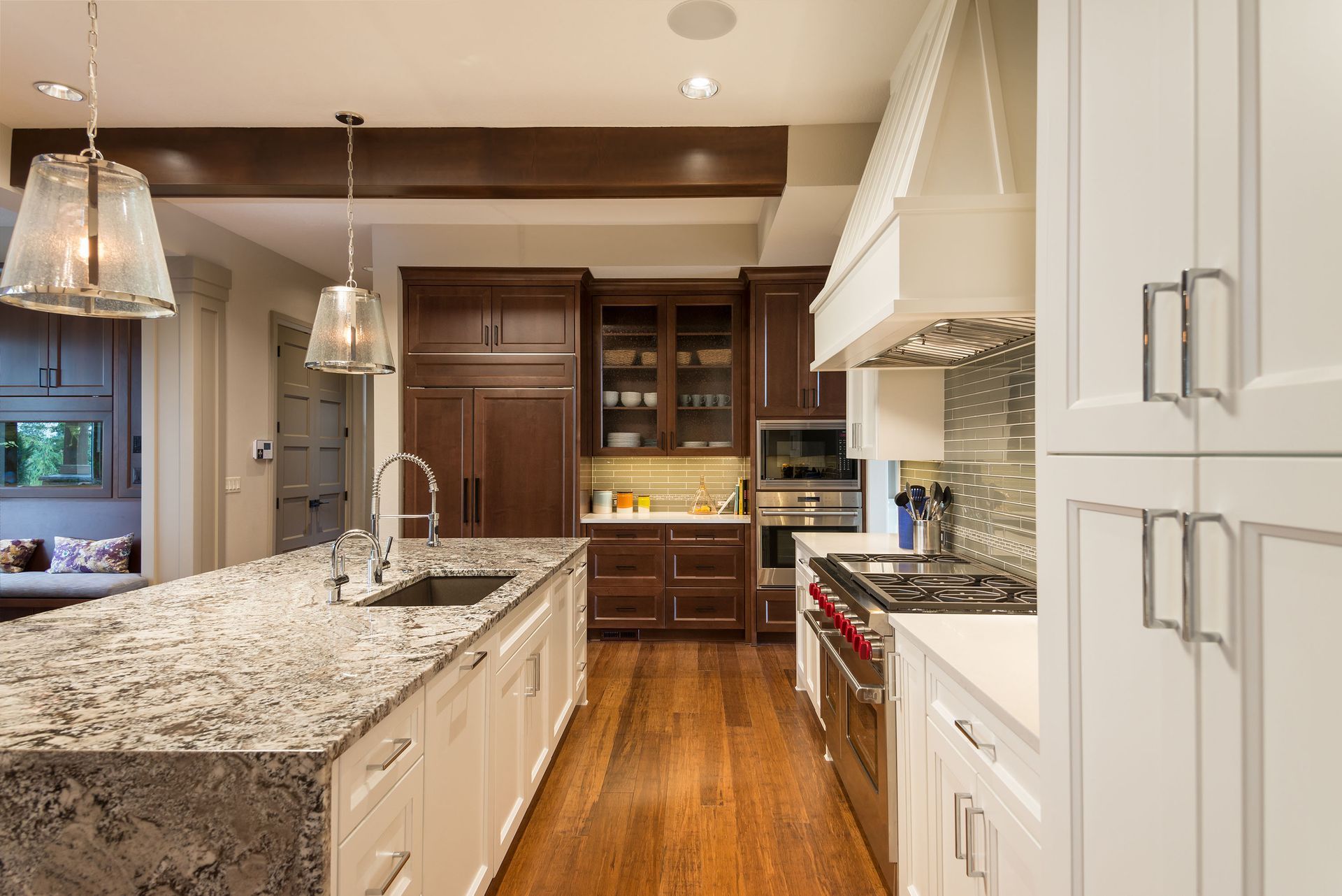
Granite is a material defined by its geological strength and timeless beauty. Its journey from deep within the Earth to your kitchen creates a surface that is unmatched in durability and style. By understanding the science behind your granite countertop and following a simple maintenance routine, you ensure that your home features a surface capable of lasting for generations.
If you are ready to enhance your home with a stunning new granite countertop, let our experts help you find the perfect slab. Visit Boss Granite today to explore our extensive selection and start your transformation with a material that truly stands the test of time.