November 7, 2026
Designing a custom kitchen involves making decisions that influence both the appearance and functionality of the space. From selecting cabinet finishes to choosing appliances and lighting, every detail contributes to the finished design. Countertops are particularly important because they provide essential workspace while connecting different elements of the kitchen.
Working with a countertop company can help homeowners explore material options, coordinate colors, determine suitable layouts, and plan professional installation. Whether you're updating an older kitchen or creating a completely new space, professional guidance can make the design process more organized and help bring your vision to life.
Exploring Materials That Match Your Style
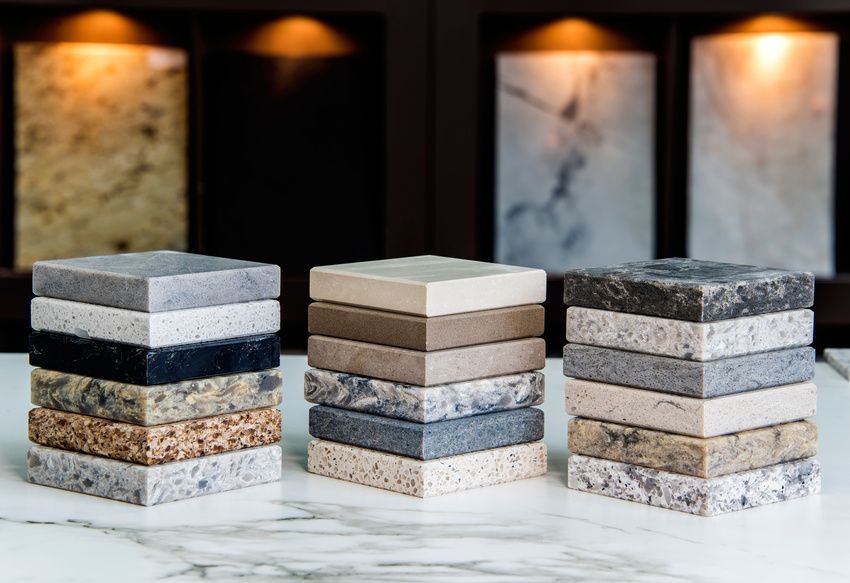
Material selection is one of the first decisions to consider when designing custom kitchen countertops. Different surfaces offer distinct appearances, maintenance requirements, and performance characteristics. Exploring these differences with a countertop company can help homeowners identify an option that complements their kitchen design and everyday needs.
Granite is a popular natural stone known for its distinctive patterns and variations in color. Because each slab has its own appearance, granite can introduce natural character into a kitchen. It is also heat-resistant and scratch-resistant, although appropriate sealing and maintenance are important considerations.
Marble offers a different aesthetic, with recognizable veining and an elegant appearance. It can complement traditional, contemporary, and transitional kitchen designs. However, marble is softer than granite and requires appropriate care to manage etching and staining.
Quartz provides another option for homeowners interested in a consistent appearance and a nonporous surface. Available in numerous colors and patterns, it can complement a wide range of cabinetry and backsplash designs. Quartzite, meanwhile, is a natural stone known for its hardness and distinctive patterns.
Porcelain is also worth considering because it offers design versatility and relatively low maintenance requirements. Reviewing these materials in person can help homeowners compare their appearance and determine which characteristics best suit their kitchens.
Coordinating Colors and Design Features
A cohesive kitchen design involves more than choosing an attractive countertop material. The surface should complement the cabinetry, flooring, backsplash, wall colors, and other finishes throughout the room. Considering these elements together helps create a balanced appearance.
A countertop company can help homeowners compare different colors, patterns, and textures before making a selection. For example, lighter countertops can create a bright appearance when paired with darker cabinetry, while deeper stone colors can add contrast to kitchens with white or neutral cabinets.
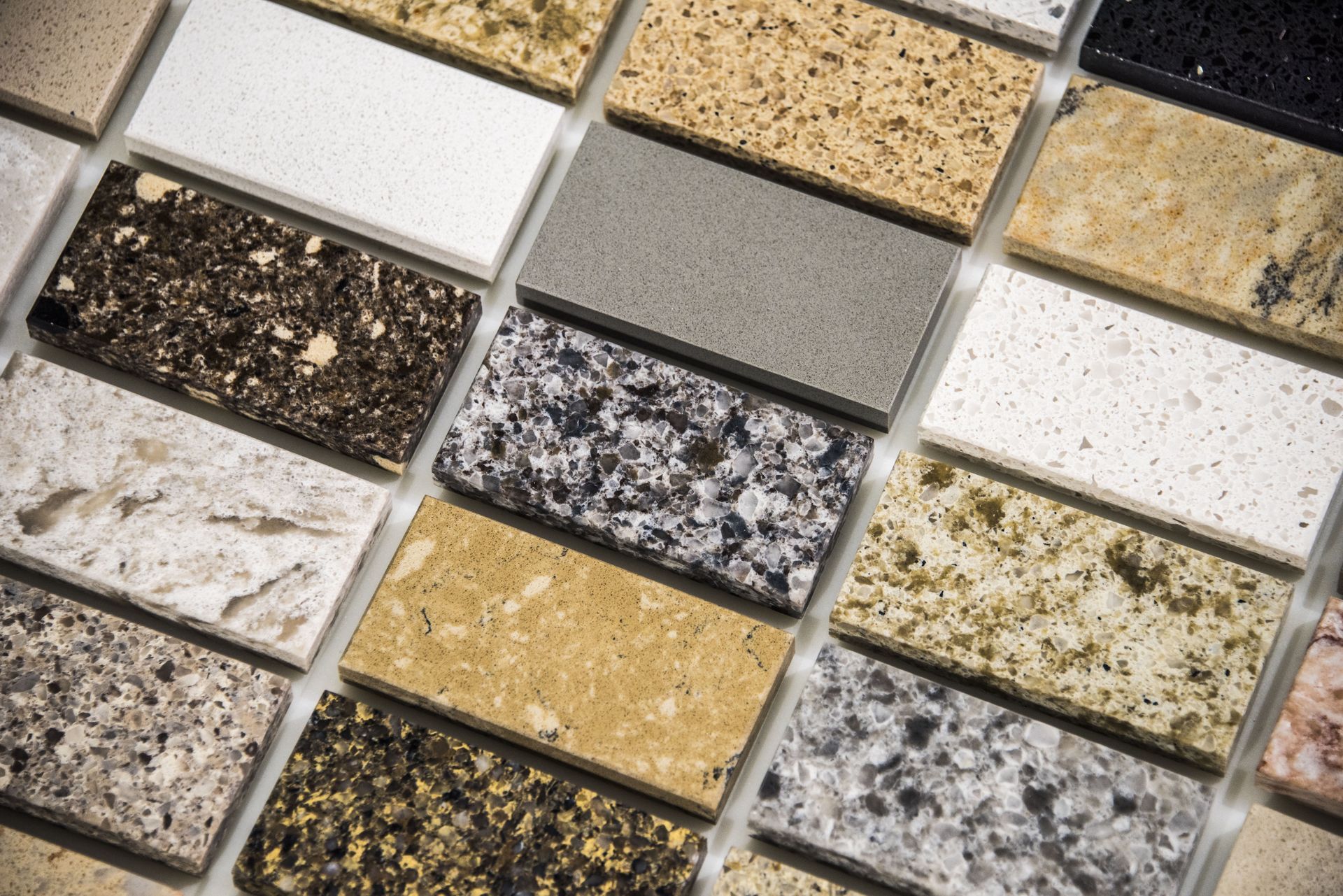
Natural stone patterns also influence the overall design. Granite, marble, and quartzite may feature prominent veining, subtle movement, or contrasting mineral details. Homeowners who prefer a more consistent appearance may gravitate toward certain quartz or porcelain designs.
Samples and swatches are useful during this stage because countertop colors can appear different depending on the surrounding finishes and lighting. Boss Granite offers free product samples and swatches, allowing customers to evaluate available materials alongside their existing kitchen features.
Lighting is another consideration. Natural light, pendant fixtures, and under-cabinet lighting can influence how a countertop's color and pattern appear throughout the day. Reviewing material samples in the intended space can help homeowners make a more informed design decision.
Planning Functional Countertop Layouts
A custom kitchen should accommodate the way people use the space. Countertop placement, available workspace, and the relationship between appliances and preparation areas all contribute to everyday functionality.
According to Fixr, the average kitchen contains approximately 30 to 40 square feet of countertop area. However, the amount needed varies depending on the kitchen's dimensions, layout, storage arrangements, and household activities. Larger kitchens may incorporate additional surfaces through islands or extended preparation areas.
A professional countertop company can help evaluate the available space and determine how different surfaces should fit within the kitchen layout. This includes accounting for wall dimensions, cabinet placement, appliance openings, and other structural details.
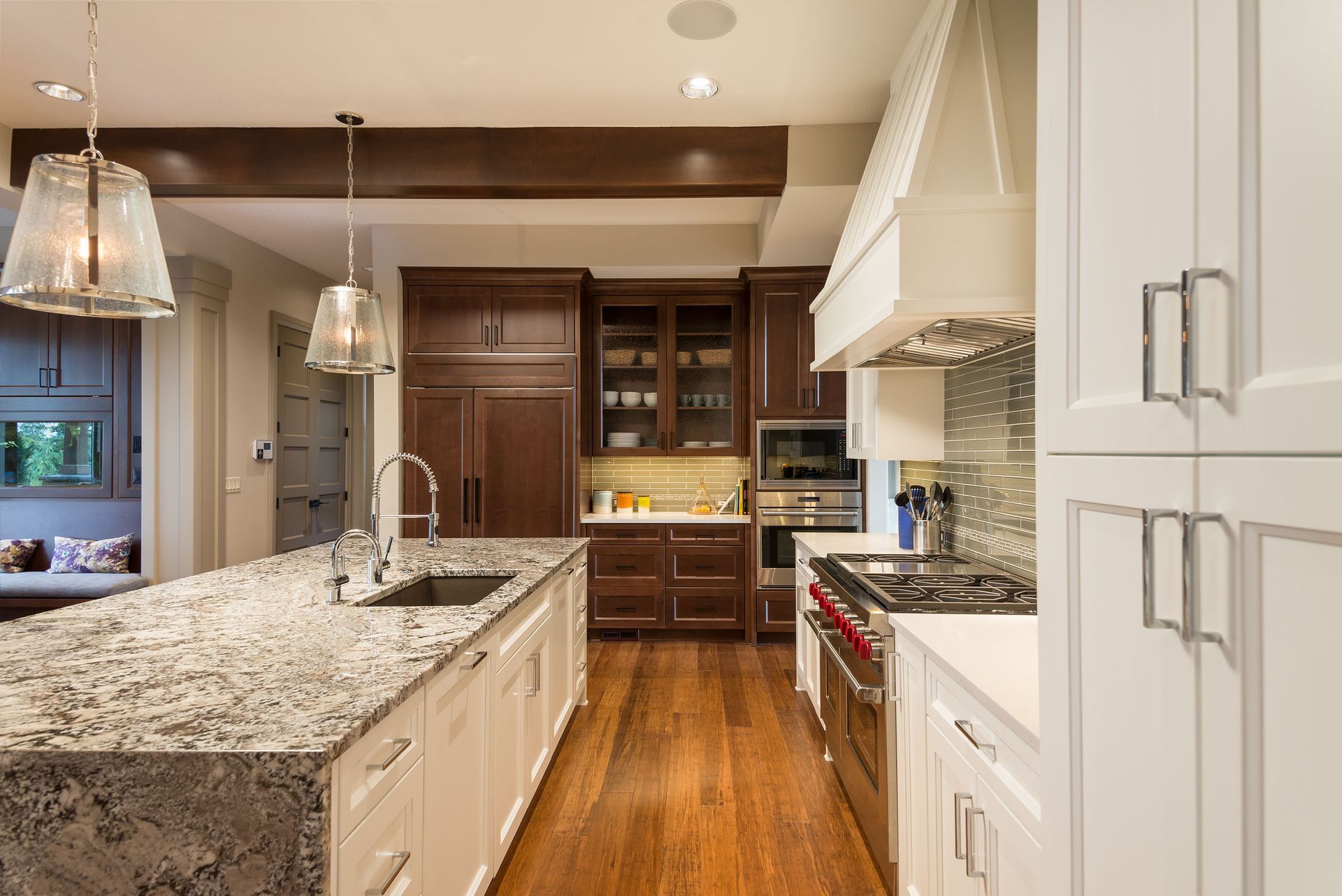
Kitchen islands are another important design consideration. Depending on the available floor space, an island can provide additional room for food preparation, casual dining, or entertaining. Its countertop may also serve as a visual centerpiece, making material selection particularly important.
Homeowners should also consider sink placement, faucet positioning, and areas surrounding cooktops. These features affect how countertops are measured, fabricated, and installed. Planning them together helps create a more coordinated design and reduces the likelihood of conflicts during installation.
Selecting Custom Edges and Finishing Details
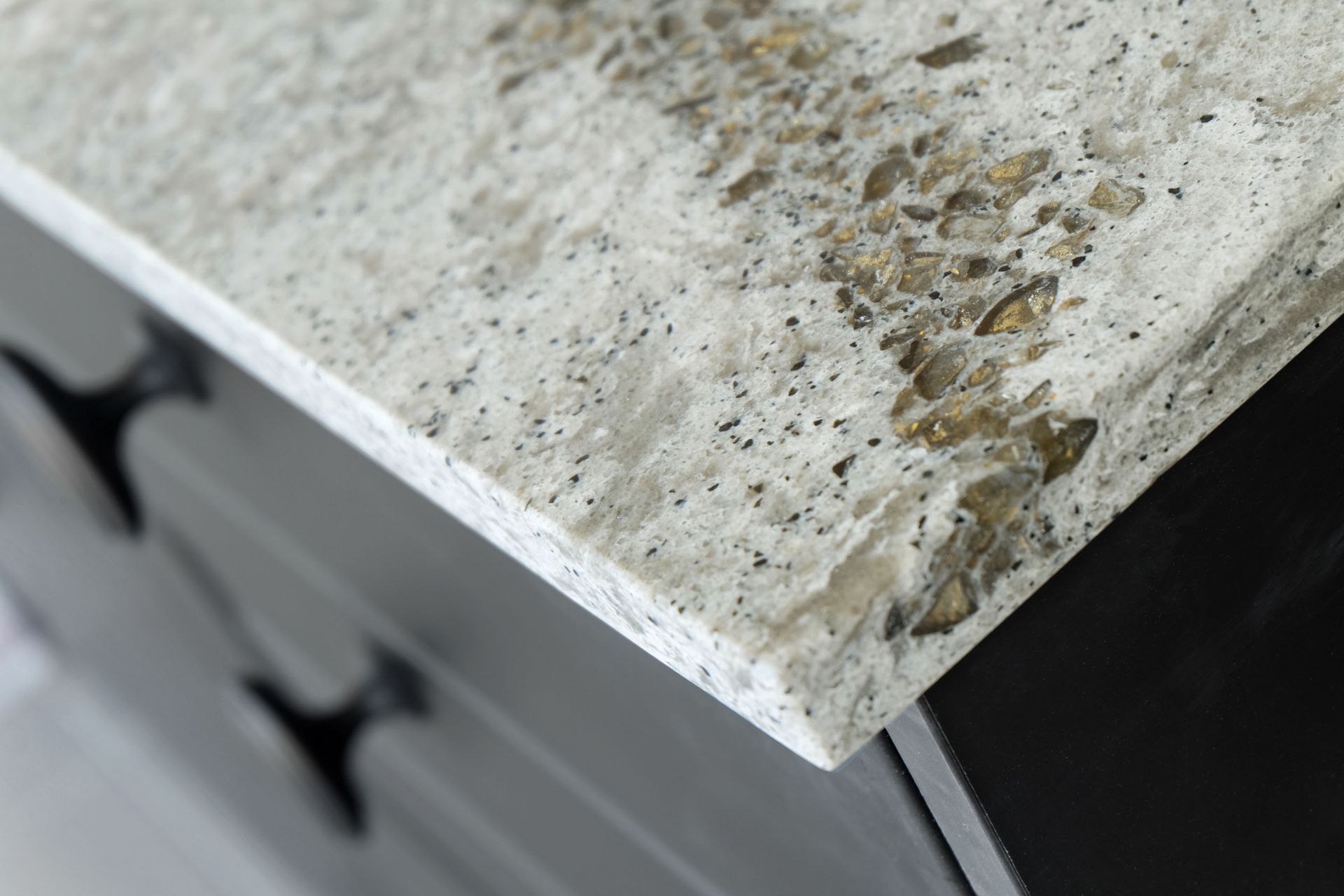
Countertop edges may seem like a relatively small design feature, but they can influence the overall appearance of a kitchen. Different profiles create different visual effects, ranging from understated and contemporary to more decorative and traditional.
A countertop company can explain the available edge profiles and help homeowners select an option that complements their chosen material and cabinetry. Simpler edges can suit modern kitchens with clean lines, while more detailed profiles may complement traditional spaces.
The thickness and appearance of the countertop also contribute to the finished design. Some homeowners prefer a streamlined surface, while others may want a more substantial appearance around an island or prominent preparation area. The appropriate selection depends on the material, cabinet support, and overall design.
Custom fabrication makes it possible to account for the dimensions and details of an individual kitchen. Professional measurements help determine where cuts, seams, and finished edges should be positioned. These considerations are particularly important for large islands, unusual wall angles, and layouts involving multiple countertop sections.
Finishing details also include sink and faucet openings, surface polishing, and appropriate sealing when required by the selected material. Paying attention to these features helps create a cohesive finished installation.
Coordinating Measurements and Fabrication
Once the materials and design details have been selected, accurate measurements become essential. Countertops must fit the existing or newly installed cabinetry while accommodating walls, corners, appliances, and plumbing fixtures.
A countertop company can use professional measuring and digital templating processes to capture the dimensions of the installation area. These measurements provide the specifications needed to fabricate surfaces that correspond with the kitchen's actual layout.
Fabrication involves cutting, shaping, and finishing the selected material according to the approved design. Advanced equipment and experienced craftsmanship help create accurate dimensions and consistent edges. Planning the placement of seams is also important, particularly when working with large surfaces or materials with noticeable patterns.
For natural stone, slab selection and layout can influence how the finished countertop looks. Positioning the material thoughtfully can help maintain visual continuity and make the most of distinctive veining or patterns.
Coordination between measurement, fabrication, and installation helps keep the project organized. It also gives homeowners a clearer understanding of how the selected design will translate into the finished kitchen.
Preparing for Professional Installation
Professional installation is the final stage of bringing a custom countertop design into the home. Even carefully selected materials and accurately fabricated surfaces require proper placement and secure fitting.
A countertop company can coordinate the installation process, including the removal of existing surfaces when necessary, positioning the new countertops, and checking that the finished pieces are level and properly aligned.
Installation also involves attention to seams, edges, and openings for sinks and faucets. These details contribute to the appearance and functionality of the completed kitchen. Depending on the project, additional work may involve sealing or finishing the surface according to the material's requirements.
Coordinating countertop installation with plumbing, cabinetry, and other renovations helps keep kitchen projects organized. A countertop company can also explain material-specific maintenance, including sealing natural stone and cleaning quartz or porcelain. Understanding care requirements and available repair services helps homeowners preserve their countertops' appearance and functionality for years.
For homeowners planning a kitchen upgrade in New Jersey and the surrounding Philadelphia Tri-State Area, Boss Granite offers custom countertop design, fabrication, installation, and repair services. With granite, marble, quartz, quartzite, and porcelain options, free samples, and complimentary in-home consultations, the team helps homeowners explore designs suited to their spaces. Contact the team today to discuss your kitchen plans and request a free quote.